In South Sudan, projections indicate that 6.5 million people (56%) could face acute food insecurity through 2024 and beyond, in spite of the planned humanitarian food assistance. This number could increase due to potential impacts of high and illegal taxes hampering food imports and aid. In 2022, the cropping season was only able to meet 63% of the projected cereal needs for 2023. Since 2016, a prolonged macro-economic crisis continues to impact food insecurity as market prices are high, and the country will depend on markets for food supply during the peak of the 2024 lean season. Due to years of conflict, South Sudan is unable to produce enough food products to support its population and currently imports more than half of its food needs. Recent improvements in the security situation since the 2018 peace agreement and the expected positive impact on agricultural production have been overshadowed by localized drought and widespread catastrophic flooding due to heavy seasonal rains.
Response Plan: Improving Livelihoods of Women,
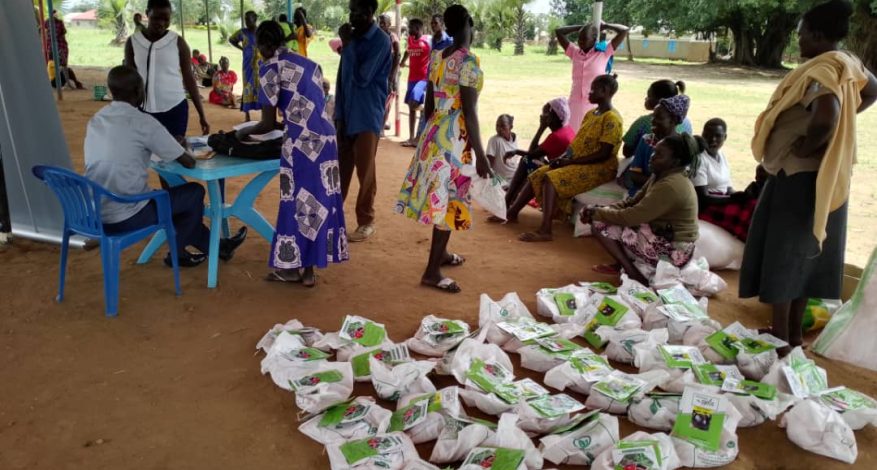
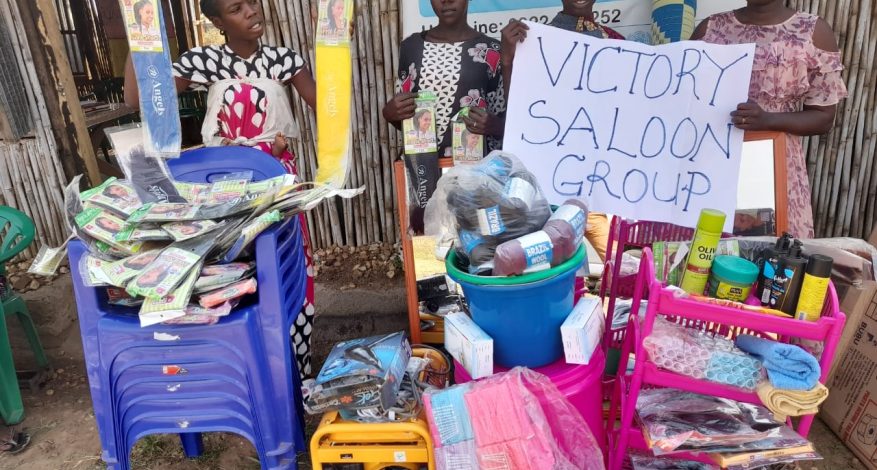
Our response will focus on enhancing the livelihood capacities of vulnerable women. In the last couple of years, Steward Women has supported several women groups and individuals in Eastern Equatoria, Central Equatoria, Unity State, Lake State, Western Bahr el Ghazal State, Warrap State and Jonglei with livelihood assistance, including enhancing their collateral securities through setting up savings and loan schemes, training on entrepreneurship and financial literacy skills and provision of business start-up kits